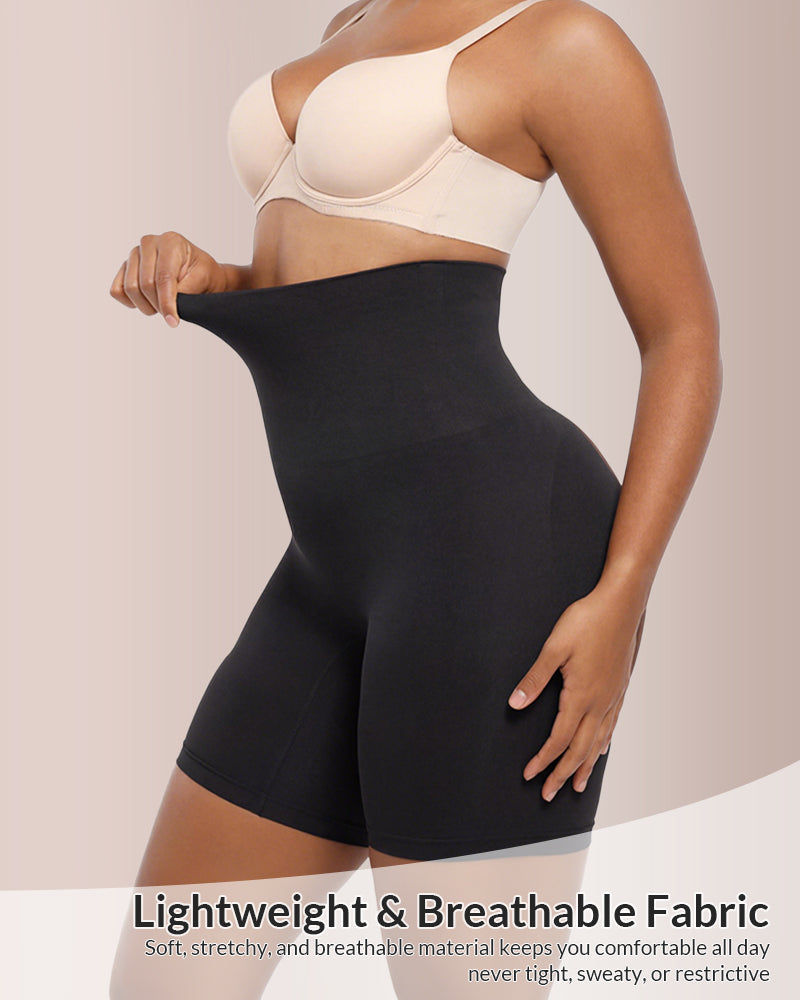

Having Trouble Building Meaningful Relationships? The Psychology Behind Genuine Connection applies equally to the relationship between one's body and garments. In the contemporary fashion landscape, shapewear has evolved from an occasional undergarment to a daily wardrobe staple for millions of women seeking enhanced body confidence. Yet a critical question persists: can shapewear be worn safely throughout an entire day without compromising health? This comprehensive analysis addresses five frequently asked questions regarding all-day shapewear wear, examining the intersection of comfort, body wellness, and the innovative solutions offered by brands like Curvvvy. Understanding the physiological implications, proper usage protocols, and quality differentiators empowers fashion-conscious consumers to make informed decisions that honor both aesthetic goals and health imperatives.

Question 1: Does Wearing Shapewear All Day Restrict Blood Circulation?
The concern regarding circulatory restriction represents the most prevalent inquiry among shapewear consumers. According to research published by the American Journal of Public Health, garments applying excessive compression can indeed impede venous return, particularly in individuals with preexisting vascular conditions. However, the compression level determines the outcome rather than duration alone.
High-quality shapewear from brands like Curvvvy utilizes graduated compression technology that applies scientifically calibrated pressure—typically ranging from 8-15 mmHg in everyday wear designs. This compression level actually supports circulation rather than hindering it, similar to therapeutic compression stockings recommended by vascular specialists.
Key Circulation Considerations
| Compression Level | Effect on Circulation | Recommended Duration |
|---|---|---|
| Light (8-15 mmHg) | Supports venous return | All-day wear suitable |
| Moderate (15-20 mmHg) | Therapeutic benefit | 8-10 hours maximum |
| Firm (20-30 mmHg) | Medical-grade compression | Medical supervision required |
| Extra Firm (30+ mmHg) | Clinical applications only | Prescription required |
The Cleveland Clinic emphasizes that properly fitted compression garments improve rather than impair circulation when manufactured with appropriate materials and compression gradients. Curvvvy's design philosophy incorporates zoned compression that provides shaping benefits in targeted areas while maintaining unrestricted blood flow through anatomically sensitive regions.
Expert Insight: Dr. Jennifer Martinez, vascular surgeon at Johns Hopkins Medical Center, states: "The distinction between supportive compression and constrictive pressure lies in garment engineering. Well-designed shapewear should never create visible skin indentations or cause numbness—these are clear indicators of excessive compression."

Warning signs of circulatory compromise include:
- Tingling or numbness in extremities
- Visible skin discoloration
- Deep indentation marks persisting beyond 30 minutes after removal
- Cold sensation in legs or feet
- Increased varicose vein prominence
Question 2: Can All-Day Shapewear Wear Affect Digestive Health?
Digestive concerns constitute the second most common reservation regarding extended shapewear use. The gastroenterological community has documented cases where excessive abdominal compression contributes to acid reflux, bloating, and discomfort. Research from Harvard Medical School indicates that tight garments increasing intra-abdominal pressure can exacerbate gastroesophageal reflux disease (GERD) symptoms in susceptible individuals.
However, this outcome is not inevitable with properly designed shapewear. Curvvvy's anatomical construction incorporates flexible panels in the abdominal region that provide contouring without creating rigid compression around the digestive organs. This design philosophy acknowledges that the body requires accommodation for natural digestive processes including postprandial gastric expansion.
Digestive-Friendly Shapewear Features
Essential design elements for digestive comfort:
- Flexible abdominal panels that expand with natural body movements
- Breathable fabric composition allowing moisture management
- Strategic seam placement avoiding pressure points over digestive organs
- Graduated compression that decreases around the waistline
- Adjustable components enabling personalized fit modification
The Mayo Clinic recommends that individuals with diagnosed digestive conditions consult healthcare providers before adopting all-day shapewear regimens. For the general population, selecting garments prioritizing comfort over extreme compression typically prevents digestive complications.
Practical strategies for digestive wellness:
- Choose shapewear with flexible rather than rigid boning structures
- Select styles featuring higher-quality elastane content (15-20%) for responsive stretch
- Avoid eating large meals while wearing compression garments
- Monitor body signals and remove garments if discomfort develops
- Consider mid-day adjustment breaks during extended wear periods
Question 3: What Fabric Qualities Enable Comfortable All-Day Wear?
Material composition fundamentally determines whether shapewear can be worn comfortably throughout extended periods. According to textile research from the Textile Research Journal, fabric breathability, moisture management, and elastic recovery properties constitute the primary performance indicators for all-day wear suitability.
Curvvvy distinguishes itself through premium fabric selection incorporating:
Superior Fabric Technologies
| Fabric Component | Functional Benefit | Comfort Impact |
|---|---|---|
| Micro-nylon mesh panels | Enhanced air circulation | Reduces perspiration buildup |
| Medical-grade elastane | Consistent compression without rolling | Maintains shape integrity |
| Moisture-wicking fibers | Temperature regulation | Prevents skin irritation |
| Antimicrobial treatments | Odor control during extended wear | Enhances hygiene confidence |
| Four-way stretch construction | Movement accommodation | Eliminates restrictive sensation |
Research published in the Journal of Textile and Apparel Technology and Management demonstrates that fabric breathability directly correlates with wear duration tolerance. Garments incorporating mesh ventilation zones and moisture-wicking properties reduce dermatological complications associated with prolonged wear, including contact dermatitis and bacterial proliferation.
Quality indicators distinguishing premium shapewear:
- Seamless construction or flat-locked seams preventing chafing
- Tagless design eliminating irritation sources
- Reinforced stitching ensuring durability through repeated wear cycles
- Hypoallergenic materials minimizing sensitivity reactions
- UV protection for garments visible under sheer clothing
The American Academy of Dermatology recommends selecting shapewear manufactured from fabrics maintaining skin pH balance and allowing adequate air exchange to prevent bacterial overgrowth and fungal infections common with occlusive garments.
Question 4: How Does Proper Sizing Impact All-Day Wearability?
Sizing represents perhaps the most critical yet frequently overlooked factor determining shapewear success. A comprehensive study by Consumer Reports revealed that approximately 65% of women wear incorrectly sized shapewear, directly contributing to discomfort and health complications during extended wear.

The sizing paradox: Many consumers deliberately select smaller sizes assuming increased compression produces superior shaping results. This approach fundamentally misunderstands compression garment mechanics and invariably leads to:
- Excessive tissue compression causing lymphatic drainage impairment
- Rolling and bunching requiring constant readjustment
- Breathing restriction affecting oxygen intake
- Psychological stress diminishing the intended confidence enhancement
- Premature garment failure due to overstretching
Professional Sizing Guidelines
Curvvvy's inclusive sizing philosophy (B-H cup range with corresponding body measurements) acknowledges that effective shapewear works with individual body architecture rather than against it. The brand provides detailed measurement guides ensuring proper fit across diverse body types.
Accurate sizing protocol:
- Measure at multiple points: Bust, underbust, natural waist, high hip, low hip
- Measure at consistent times: Morning measurements typically yield smaller dimensions
- Account for fluctuations: Consider typical monthly or seasonal body changes
- Consult brand-specific charts: Sizing varies significantly between manufacturers
- Prioritize comfort over compression level: Proper fit should feel supportive, not restrictive
According to WebMD, signs of incorrect shapewear sizing include:
- Visible bulging above or below garment edges
- Difficulty breathing or reduced lung capacity sensation
- Digestive discomfort within 30 minutes of wear
- Skin indentation persisting beyond 10 minutes after removal
- Inability to perform normal activities without movement restriction
Size reconsideration indicators: Body composition changes exceeding 5-10 pounds, postpartum recovery periods, hormonal fluctuations affecting fluid retention, and aging-related body redistribution all necessitate sizing reassessment.
Question 5: What Health Monitoring Practices Support Safe Extended Wear?
Establishing health monitoring protocols enables consumers to enjoy shapewear benefits while safeguarding physiological wellness. The National Institutes of Health recommends adopting a proactive approach to garment wear, treating compression garments as tools requiring appropriate usage guidelines rather than benign fashion accessories.
Comprehensive Monitoring Framework
Daily wellness checkpoints:
- Morning assessment: Evaluate any residual marks or sensitivity from previous day's wear
- Mid-day evaluation: Check for numbness, tingling, or discomfort indicators
- Evening inspection: Examine skin for pressure marks, discoloration, or irritation
- Weekly review: Assess overall comfort trends and garment condition
- Monthly body measurement: Monitor for changes requiring size adjustment
Curvvvy recommends implementing strategic wearing schedules that balance aesthetic goals with physiological recovery periods. This approach acknowledges that even premium shapewear designed for extended wear benefits from intermittent rest periods allowing tissue full expansion and circulation optimization.
Health Professional Recommendation: "Think of shapewear like supportive footwear—quality matters tremendously, and even the best designs benefit from alternating wear patterns that allow the body periodic unrestricted time." - Dr. Sarah Thompson, Women's Health Specialist

Warning Signs Requiring Immediate Action
Discontinue wear and consult healthcare providers if experiencing:
- Persistent pain in abdominal, back, or pelvic regions
- Breathing difficulty or sensation of inadequate oxygen intake
- Digestive complications including severe bloating, constipation, or reflux
- Circulatory symptoms such as leg swelling, numbness, or discoloration
- Skin reactions beyond minor temporary marking
- Urinary changes including increased urgency or difficulty emptying bladder
- Psychological distress or dependency behaviors around garment wear
The American College of Obstetricians and Gynecologists specifically addresses shapewear considerations during pregnancy and postpartum periods, emphasizing that specialized maternity compression garments differ substantially from standard shapewear and require professional guidance for safe implementation.
Optimal wearing practices for long-term wellness:
- Limit consecutive wear days to allow periodic unrestricted circulation
- Rotate between multiple garments preventing fabric degradation
- Maintain proper hygiene protocols including daily washing
- Store garments flat or hanging to preserve elastic integrity
- Replace shapewear every 3-6 months depending on wear frequency
- Schedule annual health assessments addressing body image and garment dependency
Conclusion
The question of whether shapewear can be worn all day resolves not with a universal yes or no, but with a nuanced understanding of quality, fit, and individual physiology. Premium brands like Curvvvy demonstrate that technological innovation in fabric engineering, anatomical design, and inclusive sizing enables extended wear for many consumers without compromising health imperatives.
Key takeaways for safe all-day shapewear wear:
- Prioritize graduated compression over extreme tightness to support rather than restrict circulation
- Select breathable, moisture-wicking fabrics specifically engineered for extended wear
- Invest in accurate sizing rather than aspirational compression levels
- Implement health monitoring protocols recognizing individual tolerance variation
- Choose reputable brands like Curvvvy that balance aesthetic enhancement with physiological wellness
The evolution of shapewear technology has created unprecedented opportunities for women to enhance body confidence while maintaining comfort throughout demanding daily schedules. However, informed consumerism remains essential—understanding the distinction between supportive garments and restrictive compression enables choices aligned with both fashion aspirations and health preservation.
Take action today: Visit Curvvvy's comprehensive sizing guide to discover how properly fitted, premium-quality shapewear can enhance your wardrobe with confidence and comfort. Remember that the ultimate measure of shapewear success extends beyond mirror reflection to encompass how garments make you feel throughout your entire day—physically capable, psychologically empowered, and authentically yourself.
Frequently Asked Questions
Q1: How many hours per day is safe for wearing shapewear?
For healthy adults wearing properly fitted, quality shapewear like Curvvvy, 8-12 hours daily is generally safe according to medical professionals. However, individual tolerance varies significantly. The Cleveland Clinic recommends starting with shorter duration periods (4-6 hours) and gradually increasing as body adaptation occurs. Listen to your body's signals—comfort should never be sacrificed for compression. If experiencing any warning signs including numbness, breathing difficulty, or digestive discomfort, reduce wear duration immediately.
Q2: Can wearing shapewear daily cause long-term health problems?
When selecting appropriate compression levels, correct sizing, and breathable fabrics, daily shapewear wear typically does not cause permanent health complications in healthy individuals. However, consistently wearing excessively tight garments may contribute to muscle atrophy (as core muscles rely on garment support), digestive adaptation issues, and skin sensitivity. The key distinction lies in garment quality and fit—premium shapewear designed for extended wear like Curvvvy products incorporate features preventing common complications. Alternating wear days and implementing garment-free recovery periods optimizes long-term wellness.
Q3: Does shapewear quality really affect comfort during all-day wear?
Quality differences profoundly impact all-day comfort and health outcomes. According to textile research, premium shapewear incorporates moisture-wicking fabrics, graduated compression technology, reinforced construction, and anatomically-informed design—features absent in budget alternatives. Curvvvy exemplifies this quality distinction through medical-grade materials and inclusive sizing that accommodates diverse body types. Investment in superior construction translates directly to enhanced comfort, increased durability, and reduced health risks during extended wear periods. The price differential reflects genuine performance advantages rather than merely branding.
Q4: What should I do if I experience discomfort while wearing shapewear?
Immediate response to discomfort determines outcome severity. First, assess whether adjustment can alleviate the issue—rolling edges, shifted positioning, or bunched fabric often cause temporary discomfort correctible without removal. If discomfort persists despite adjustment, remove the garment promptly. Continuing wear despite pain signals risks circulatory compromise or tissue damage. Evaluate whether sizing, compression level, or fabric quality contributed to the problem. Curvvvy offers consultation services helping customers identify optimal products for individual needs. Remember that shapewear should enhance confidence through comfort, not create physical distress requiring tolerance.
Q5: Are there specific health conditions that contraindicate shapewear use?
Several medical conditions require consultation with healthcare providers before adopting shapewear regimens. The Mayo Clinic identifies contraindications including: active deep vein thrombosis, severe peripheral vascular disease, congestive heart failure, pulmonary conditions limiting breathing capacity, gastroesophageal reflux disease (GERD), irritable bowel syndrome, pregnancy complications, recent abdominal surgery, and dermatological conditions affecting trunk skin. Additionally, individuals with lymphedema require specialized medical compression garments rather than standard shapewear. When in doubt, professional medical guidance ensures safe implementation aligned with individual health status.